







Search Results for: Giant Stone Estate
Costa Rica's Las Piedras Estate Black Honey Process Coffee Beans: Variety, Flavor, and Front Street Brewing Analysis
The black honey processed coffee beans from Costa Rica's Giant Stone Estate are a specialty bean that Front Street Coffee has long carried. As the grade of honey processing that retains the most mucilage, black honey processing involves longer fermentation and drying periods, bringing a delicate vinous aroma and rich sweetness, but even a slight lapse in management can easily lead to over-fermentation, making labor costs quite high. Giant Stone Estate is located in the Brunca region of southern Costa Rica, named after the nearby excavated indigenous stone sphere relics, with diverse microclimates. This article will provide a complete analysis of this bean's flavor code and brewing key points, from the estate's background, the characteristics of the Caturra and Catuai varieties, the principles of honey processing, Front Street's roasting curve, and cupping flavors to pour-over parameters. [more…]
Top 10 Popular Single-Origin Pour-Over Coffee Beans: A Bean Selection Guide from Yirgacheffe to Blue Mountain Kenya
Coffee is an imported product. Some drink it for a touch of petty-bourgeois elegance, some rely on caffeine to stay alert, and some are purely captivated by its aroma. Today, with pour-over coffee all the rage, light-roast single-origin beans are best presented via pour-over. A basic pour-over setup—gooseneck kettle, dripper, filter paper, carafe, grinder, thermometer, and digital scale—can get you started for about 1,500 yuan, estimates Front Street Coffee. The beans used for pour-over are mostly outstanding single-origin coffees, and based on this Front Street Coffee has compiled ten popular beans for reference: from the white-floral and citrus notes of Ethiopia Yirgacheffe, to the legendary backstory of Panama Hacienda La Esmeralda Geisha, to the rum-barrel flavors of Honduras Sherry, the classic balance of Jamaica Blue Mountain, the hefty acidity of Kenya AA, the all-purpose character of Brazil Queen Estate Yellow Bourbon, the blueberry gummy candy notes of Costa Rica巨石 Estate, and the affordable way to taste Geisha—Flower Butterfly. [more…]

Origami Dripper Bean Suitability Analysis: Design Highlights, Brewing Recipes, and Practical Pros and Cons
The Origami dripper, with its angular shape and Nordic minimalist style, has become a familiar sight in cafés and equipment stores. Designed by Yasuo Suzuki, it can be used with either conical filters or cake filters, offering two completely different brewing experiences. Its fame grew even further when Du Jianing, the 2019 WBrC champion, used it. However, this dripper also has shortcomings, such as the lack of a base and limited coffee capacity. Front Street Coffee once conducted a comparative brew using blueberry beans from Costa Rica's Giant Stone Estate. This article will comprehensively analyze what coffee beans this dripper is suitable for, covering its appearance, star appeal, versatile brewing methods, and drawbacks. [more…]
A Complete Guide to Costa Rican Honey Process Coffee: From Processing Steps to Brewing Flavor Characteristics
The charm of coffee stems from its ever-changing aromas and flavors, and among the many factors that influence flavor, the processing method is one of the most controllable key steps. Among the various processing methods, honey processing can be called Costa Rica's signature technique. How exactly is this process carried out? What are the differences between different honey processing grades? What kind of taste characteristics does the brewed coffee present? This article will take you into a complete understanding of Costa Rican honey-processed coffee, from the producing region background and processing principles to flavor performance, and use Front Street Costa Rica Giant Stone Estate Black Honey as an example to share specific brewing parameters and tasting experience. [more…]
What Do Coffee Experts Drink? A Roundup of Twelve Common Coffee Flavors and Pour-Over Bean Lists
Coffee has long been more than just a pick-me-up; some people are captivated by its layers of flavor, while others savor the ritual of brewing. Those who truly understand coffee often prefer the humble yet refined pour-over method, and the choice of beans is even more crucial. This article begins with pour-over equipment setup, systematically sorts through the types and flavor characteristics of twelve common coffees, and provides detailed flavor analyses of popular single-origin beans such as Front Street Yirgacheffe, Hacienda La Esmeralda Geisha, Sherry, Blue Mountain No. 1, Kenya AA, Brazil Queen's Estate Yellow Bourbon, Costa Rica Blueberry Gummy, and Panama Butterfly. Whether you are a beginner just starting out or a seasoned connoisseur seeking an upgraded daily brew, you can find the perfect cup for yourself in this bean list. [more…]
Costa Rica Las Piedras Estate Blueberry Coffee Beans: Full Analysis of Anaerobic Heavy Honey Processing Flavor and Variety
Costa Rica, with its diverse microclimates and volcanic soils, became one of the first countries in Central America to cultivate coffee. Piedra Grande Estate, located in the Brunca region in the south, takes its name from the indigenous "secret stone spheres" unearthed nearby. At an altitude of 1,400-1,700 meters, the mixed red and gray clay soil gives the coffee high density and excellent sweetness. The estate grows two varieties, Bourbon and Catuai, and employs anaerobic heavy honey processing: first low-temperature anaerobic fermentation, then 20-25 days of raised-bed drying and greenhouse resting, and finally aging the beans to 11% moisture content. Front Street Coffee's Piedra Grande Blueberry coffee presents a flavor profile of rose, blueberry gummy candy, fermented notes, and mint, making it well worth savoring for coffee enthusiasts. [more…]

The Coffee Bean Christmas Tree DIY Trend Is Here: From Minimalist to Giant, a Step-by-Step Guide to Creating Festive Vibes
As soon as December arrives, Christmas is just around the corner, and a special "handicraft project" has suddenly become popular in the coffee community—making Christmas trees out of coffee beans. This trend has swept in with great force, drawing everyone from ordinary enthusiasts to coffee shop owners. Why has everyone become obsessed with coffee bean Christmas trees? They can not only use up expired beans and create a festive atmosphere, but also absorb odors—truly killing three birds with one stone. From minimalist versions to maximalist ones, from green beans to light and dark roast blends, and even giant versions, the possibilities are endless. However, it looks easy but is hard to do, and those with clumsy hands are crying out, "Does this tree really have to be made?" This article will take you through this coffee bean Christmas tree frenzy and show how coffee lovers are using beans to play with Christmas creativity. [more…]
Nicaragua Finca La Tormenta Natural Maragogype: Variety Origins, Growing Region Characteristics, and Pour-Over Flavor Analysis
The Maragogype Natural from Nicaragua's Finca La Tormenta is a giant bean variety that has attracted much attention in the specialty coffee world. Starting from a practical pour-over plan, this article provides specific parameters: 15g of coffee, medium grind, 88-89°C water temperature, 1:15 coffee-to-water ratio, and a 2-minute extraction. It also sorts out the botanical origins of Maragogype—originating from Maragogipe County in Bahia, Brazil, established as a classification in 1870, belonging to an Arabica-derived hybrid, with beans reaching more than three times the size of ordinary coffee beans. The article also introduces the distribution of Nicaragua's four major producing regions, the SHG highest grade of the Segovia region, and the body and fragrance brought by volcanic fertile soil and shade growing, and explains in detail the pineapple, winey, stone fruit, caramel, and roasted nut flavor layers of this natural bean from Finca La Tormenta, as well as Front Street Coffee's roasting and product information. [more…]
Beginner's Guide to Buying Pour-Over Coffee Beans: Six Budget-Friendly Everyday Beans and Their Suitability for Drip Coffee Makers
Choosing coffee beans isn't a matter of the more expensive the better—there are plenty of affordable options on the market with outstanding flavor. This article is aimed at enthusiasts who are just getting into freshly ground pour-over coffee, and it compiles six high-value coffee beans suitable for everyday drinking, covering producing regions including Brazil, Ethiopia, Panama, Costa Rica, and Colombia, explaining each one's flavor characteristics, brewing difficulty, and reference price. Among them, several Front Street Coffee products combine the advantages of being easy to get started with and compatible with multiple brewing devices—whether it's pour-over, a moka pot, or an espresso machine, they deliver consistent performance. At the end, the article also answers the question of whether pour-over coffee beans can be used in an American-style drip coffee maker, helping beginners buy according to their needs. [more…]
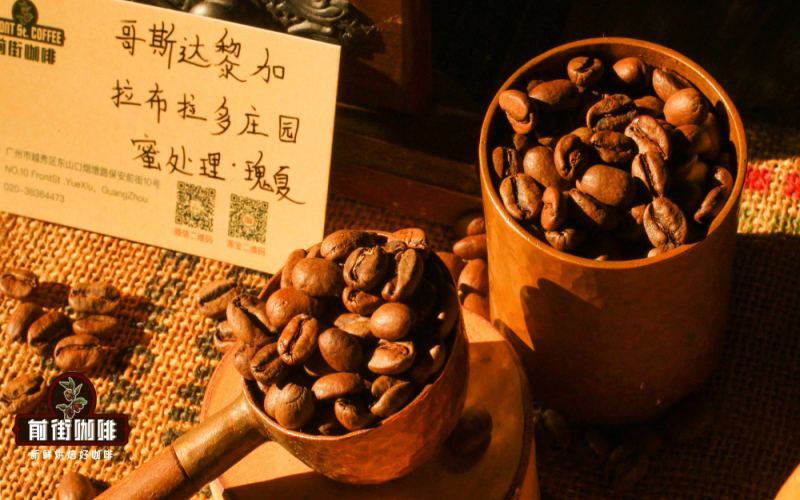
Costa Rican Coffee Bean Flavor Analysis: Honey-Processed Strictly Hard Bean Pour-Over Techniques and巨石 Estate Blueberry
Costa Rican coffee is famous for its honey processing and extremely hard beans, and Front Street Coffee brings you a selection of representative beans. This article approaches the topic through the three major processing methods—washed, natural, and honey—analyzing the basic structure and flavor formation of Costa Rican coffee, with a focus on Tarrazu washed beans and the Blueberry Anaerobic Heavy Honey processed beans from Hacienda El Monstruo. It also explains in detail Costa Rica's raw bean grading standards by altitude, as well as hand-brewing parameter recommendations for high-altitude SHB extremely hard beans, including the V60 dripper, water temperature, coffee-to-water ratio, and three-stage extraction technique, helping coffee lovers brew a rich fruity layering. [more…]
Nicaraguan Sun-Dried Maragogype Coffee Brand Recommendations, Pour-Over Steps Explained in Detail, and Flavor Profile Introduction
Maragogype is a strikingly large derivative variety within the Arabica family, with beans that can be more than three times the size of ordinary coffee beans. This article focuses on sun-dried Maragogype from Nicaragua. It first introduces the classification, origin, and varietal characteristics of Maragogype, then highlights the Nicaragua Finca La Tormenta sun-dried Maragogype produced by Front Street Coffee, and provides detailed pour-over extraction parameters and operating steps. It also outlines the geographical distribution and altitude characteristics of Nicaragua's four major coffee-producing regions, and analyzes the country's coffee's distinctive performance in body, acidity, and aroma. Whether you want to understand the Maragogype variety or are looking for a brewing method for Nicaraguan coffee, this article offers complete information and practical reference. [more…]
Costa Rica Coffee Brewing Guide: Honey Process Flavor Analysis and Finca El Roca Blueberry Bean Review
Costa Rican coffee occupies an important position in the Central American specialty coffee landscape thanks to its high-altitude volcanic soil and innovative processing methods. Starting from Front Street Coffee's everyday bean—the washed Tarrazú—this article sorts out Costa Rica's eight major producing regions and green bean grading standards, and focuses on analyzing how honey processing gives coffee greater sweetness. It also presents the complete profile of the recently launched Blueberry coffee beans from Hacienda El Roble, along with a three-pour hand-brewing recipe tailored to high-altitude SHB strictly hard beans, including specific parameters such as V60 dripper, water temperature, coffee-to-water ratio, and grind size, helping coffee enthusiasts recreate a rich fruity layering at home. [more…]
Exploring Costa Rica's Tarrazú and Hacienda La Roca Blueberry: A Complete Guide to the Flavors and Brewing of Geisha, Caturra, and Catuai Varieties
Costa Rica is a coffee origin that cannot be overlooked on the Central American coffee map, and Front Street Coffee's Costa Rica series has always been known for being "sweet as honey." This article starts with the Blueberry Coffee from the Giant Stone Estate, taking you through the terroir characteristics of the Brunca region, the meticulous process of anaerobic heavy honey processing, and an in-depth analysis of the main varieties of the Tarrazú region—the differences between Caturra and Catuai, as well as the performance of Geisha in Costa Rica. Whether you are looking for a daily drinker with a prominent sweetness or want to understand the flavor differences between varieties, this article will give you clear answers. Finally, Front Street's standard brewing parameters are included, so you can recreate a great cup of coffee at home. [more…]
Analysis of the Pacamara Coffee Variety in El Salvador: From Its Hybrid Origins of Pacas and Maragogipe to Its Flavor Expression in Guatemala
Pacamara is a precious variety bred by El Salvador's coffee research institute by crossing Pacas with Maragogipe, combining the dual advantages of the sturdy, stress-resistant Pacas and the giant-bean Maragogipe. Since the 19th century, the Pacas family has been deeply involved in the coffee industry, passing down through five generations and witnessing this variety's long journey from its cultivation in 1958 to its gradual promotion only in the late 1980s. This article will guide you through the story of Pacamara's discovery and cultivation, analyzing its flavor characteristics—the interweaving of a creamy mouthfeel, elegant acidity, and chocolate butterscotch sweetness—as well as its botanical features, including a medium-sized tree, large leaves, and elongated oval beans, providing coffee enthusiasts with a comprehensive reference for understanding this variety. [more…]

Cold Brew Coffee Bean Recommendations | How Should Coffee Beginners Choose Coffee Beans for Making Cold Brew? Which Is Better for Cold Brew Coffee: Single-Origin or Blend Beans?
A while back, Front Street Coffee shared a guide on how to make cold brew coffee, and after that, a lot of readers started asking in the comments how to choose beans for cold brew. So today, let's break down and answer that question. As a low-temperature immersion extraction method, the longer the brew time, the fewer the types of acidic compounds present, which is why cold brew's acidity [more…]
Caturra Coffee Variety Full Analysis: From Bourbon Mutation to Central American Mainstay, Flavor Characteristics and Representative Beans
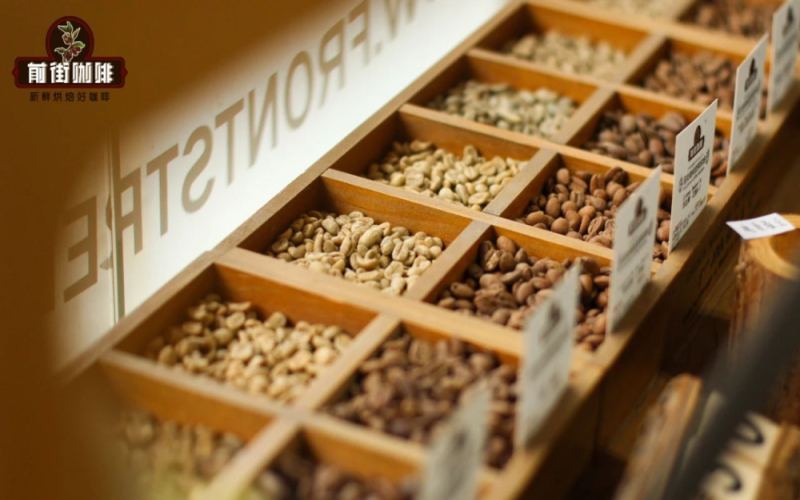
Caturra is a highly economically valuable natural mutation within the Bourbon lineage. With advantages such as a small plant size, suitability for dense planting, and no need for shade, it has become an important pillar of coffee-growing regions in Central America. In this article, from the perspective of Front Street Coffee, we will sort out the historical origins and variety characteristics of Caturra, and use its Colombian passion fruit enzyme washed Purple Caturra as an example to introduce the Huila region, the processing methods and brewing suggestions of Finca Monteblanco, helping coffee lovers gain a comprehensive understanding of the unique charm of this variety. [more…]
Costa Rican Coffee Micro-Lot Guide: A Full Analysis of Terroir Characteristics Across Eight Major Regions and Honey Processing Techniques
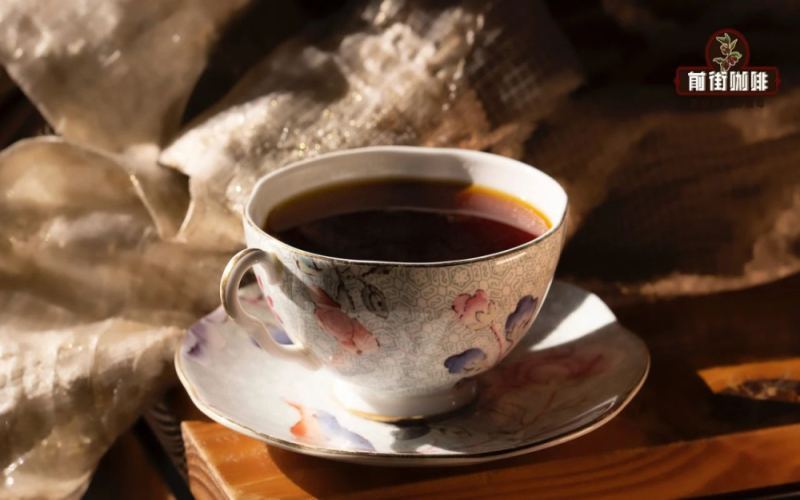
Costa Rica is one of the representative origins of specialty coffee in Central America, divided into eight major coffee regions nationwide, each nurturing distinctly styled coffees through its unique terroir. This article, from the perspective of Front Street Coffee's bean selection, systematically reviews Costa Rica's regional distribution and the influence of altitude and climate on flavor, with a focus on comparing two beans: the Tarrazú washed daily drinker and the Giant Stone Estate blueberry anaerobic heavy honey process. It also details the processing differences among white honey, yellow honey, red honey, and black honey, and includes Front Street's standard brewing parameters to help coffee enthusiasts more clearly understand the flavor divide between washed and honey processing in the cup. [more…]

How does Costa Rica Tarrazu coffee taste? How to brew honey-processed beans to bring out sweetness and classic regional flavors
Costa Rican coffee is known for its cleanliness, sweetness, and clear flavor, and the Tarrazu region in particular is the daily go-to choice for many enthusiasts. From the selection perspective of Front Street Coffee, this article sorts out Costa Rica's eight major producing regions and the background of high-altitude cultivation, focuses on analyzing the classic flavor performance of Tarrazu washed beans, and compares the differences with the anaerobic heavy honey processed blueberry coffee from the Giant Stone Estate. At the same time, it explains in detail the processing flow of white honey, yellow honey, red honey, black honey, and anaerobic heavy honey, and includes Front Street's standard V60 brewing parameters to help you understand how to brew honey processed beans to bring out more prominent sweetness and regional terroir. [more…]

The Birth Background, Structural Mechanism, and Complete Guide to Immersion Brewing Parameters of the Clever Cup
The Clever Dripper is a coffee filter cup with a controllable valve at the bottom, developed by the Taiwanese company EK INTL. Its design concept originates from the same brand's tea-making device, HandyBrew. Unlike direct drip filter cups such as the V60, the Clever Dripper incorporates immersion extraction into the brewing process, allowing coffee grounds and water to fully contact within the container, reducing reliance on pouring technique, so that even beginners can easily reproduce a stable flavor. This article will begin with the origin and naming of the Clever Dripper, analyze its double-layer construction and valve opening and closing principles, and around variables such as grind size, water temperature, coffee-to-water ratio, and immersion time, combined with Front Street Coffee's brewing recommendations and a practical demonstration using Costa Rica's Giant Stone Estate Blueberry coffee beans, present a complete, replicable Clever Dripper immersion-and-filtration method. [more…]
Front Street Colombia Botón Estate Maragogype Pour-Over Guide: V60 Three-Stage Extraction Parameters and Flavor Analysis
El Boton Estate in Antioquia, Colombia, has been run by the Herran family since 1930, and for nearly a century has grown only one variety: Maragogype. Annual production is just 600 bags. These beans are about three times the size of ordinary Arabica, making them the largest coffee beans in the world. Front Street Coffee brings you this El Boton Maragogype, which has a prominent sweetness on entry, with fruity acidity of grape and pomegranate and a full-bodied, black-tea-like richness. This article will break down the complete brewing approach for these giant beans layer by layer, from the estate's story, the characteristics of the Maragogype variety, and the washed processing method, to roasting recommendations and V60 three-pour hand-brew parameters, helping coffee lovers fully release its rich fruity aroma and soft nutty notes. [more…]